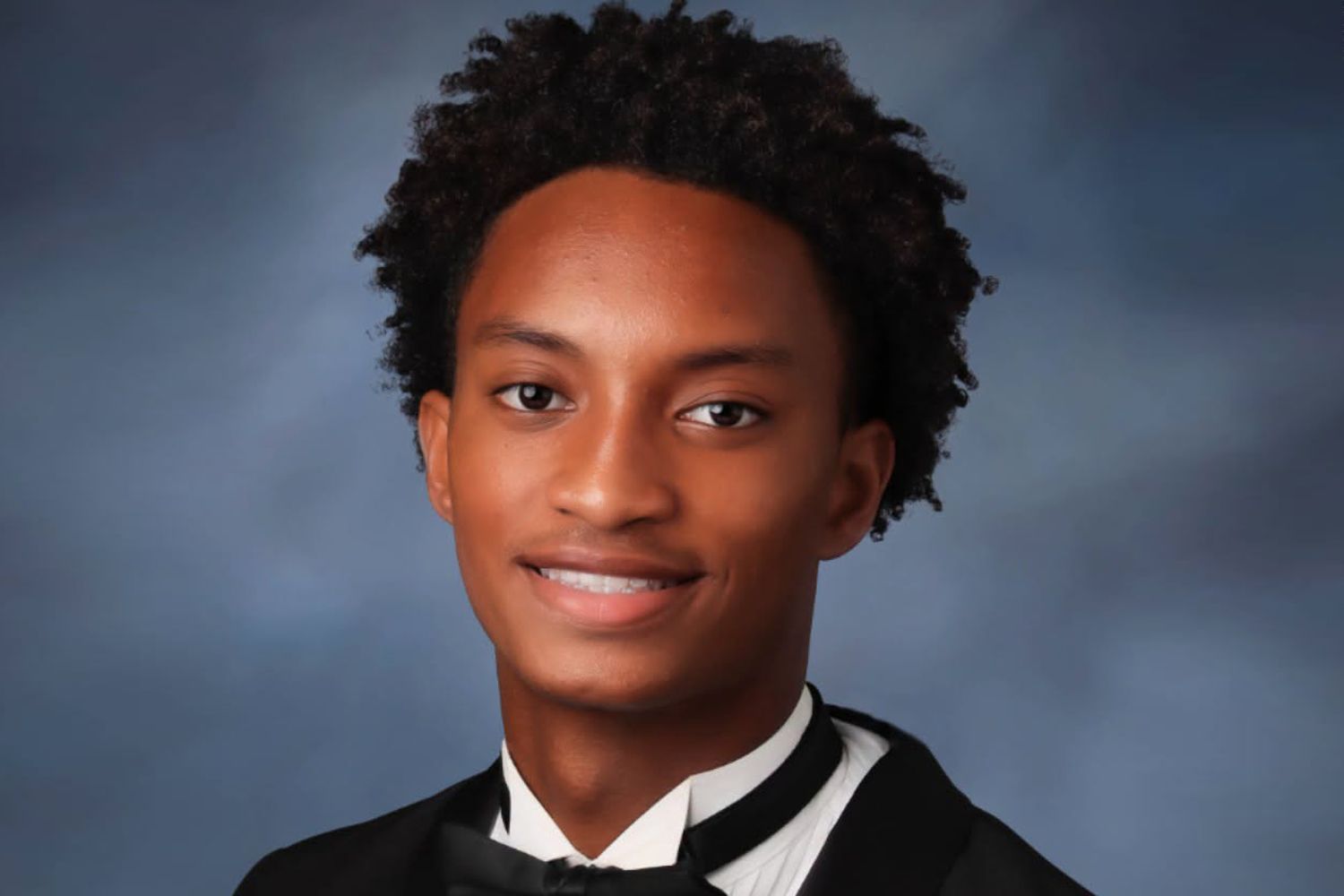
Nolan Xavier Wells was 18. He was a student and wide receiver at Southwest Mississippi Community College. On July 4, he went to Mississippi’s Horn Island with a group of friends. He did not come home. His body was found two days later. His family has spent the months since asking a question that no report has definitively answered: how did Nolan die?
The answer remains undetermined in both the state medical examiner’s autopsy and the independent examination commissioned by the family. Colin Kaepernick paid for that second examination through his Know Your Rights Camp, according to the organization. It gave the family another forensic review; it did not produce a finding of homicide or confirm drowning.
What the examinations found
The independent pathologist, Dr. Roger A. Mitchell Jr., reported that the cause and manner of death could not be determined. The examination noted discoloration on the back of Nolan’s head, but found no fractures or deep tissue injury there. Its scope was limited by decomposition and by organs and neck structures removed during the initial state autopsy. Mitchell said nonaccidental factors could not be ruled out. That is a statement of uncertainty, not a conclusion that someone harmed him.
The state report likewise listed the cause and manner as undetermined. It documented two scalp contusions without a skull fracture. The family’s lawyers have questioned how a drowning conclusion can be drawn from those findings. The Jackson County grand jury, after reviewing witnesses and other evidence, found the circumstances consistent with drowning and returned no indictment in September. The panel said it found no credible evidence that Nolan’s companions committed a crime, and no evidence that his death was racially motivated. A grand jury’s assessment of the evidence and an autopsy’s medical determination answer different questions; neither should be rewritten as the other.
A family’s frustration, a community’s attention
Nolan’s parents, Christine and Elmore Wonsley, have continued to ask for the underlying records and a fuller accounting of his final hours. After the grand jury report, the family and attorney Ben Crump called for further scrutiny, including federal attention. Their questions deserve a careful response, even when authorities and the family sharply disagree. The online outcry has helped keep Nolan’s name in view, but speculation about named individuals is no substitute for evidence.
Many Black families hear a case like this against the background of Mississippi’s documented history: Jim Crow institutions, racial violence, and the denial of justice in cases such as Emmett Till’s murder. That history helps explain why trust must be earned through transparency. It does not establish a racial motive in Nolan’s death, and the grand jury reported finding none. We can speak honestly about the old systems and the wounds they left without assigning guilt that the evidence has not shown.
We are still standing with Nolan: with his family’s right to ask questions, to see a thorough accounting, and to remember him as more than a case file. We stand, too, with other families still seeking truth and justice. Solidarity means staying present, checking claims, and insisting that uncertainty be described plainly until the evidence can take us further.