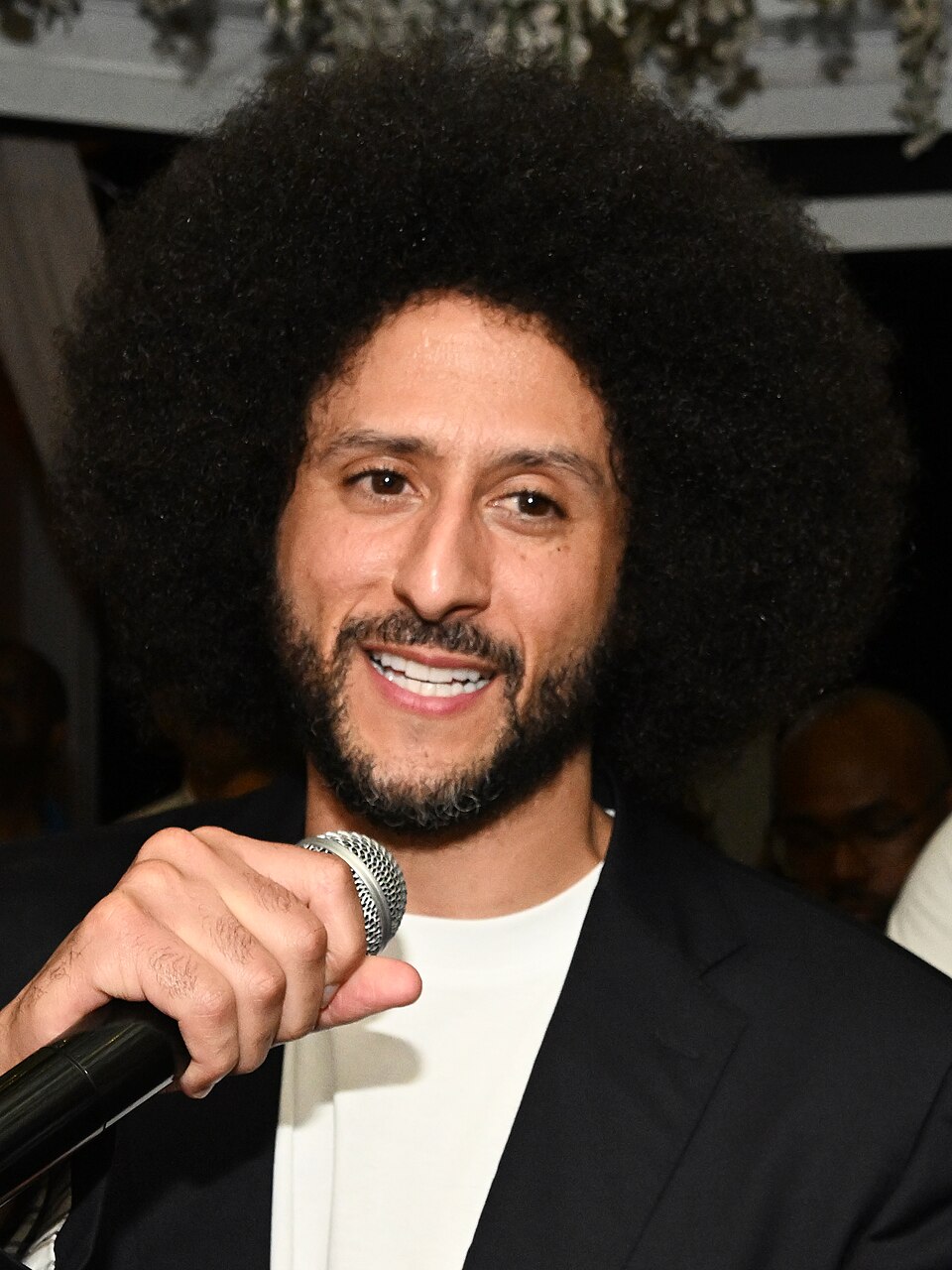
Colin Kaepernick is speaking more publicly than he has in years. His memoir, The Perilous Fight, was released this month, ten years after he knelt during the national anthem to protest police violence and racial injustice. The interviews and book tour give him room to tell the story that was flattened into one image.
In a recent interview, he described growing up Black in a predominantly white community, finding belonging in football, and learning to see the systems affecting Black lives beyond the field. He also said he misses the game. The cost of his stand is personal, even when the debate around it becomes political theater.
Kaepernick did not attend an HBCU. Still, the question his story poses belongs on our campuses. We celebrate athletes under stadium lights. Do we offer the same support when they speak about the communities they come from and challenge the institutions that profit from their talent?
The work after the protest
The argument over his posture drew more attention than the lives he was asking the country to consider. A decade later, Kaepernick is still explaining why he knelt, while describing a football career that, in his account, ended before he was ready to leave it. His memoir is an opportunity to hear that account in his own words.
His work also reaches into a story our community is following now. Through Know Your Rights Camp, Kaepernick paid for the independent autopsy requested by the family of Nolan Wells, the 18-year-old found dead after a trip to Mississippi’s Horn Island. Both the state and independent examinations left the cause and manner of Wells’s death undetermined. A grand jury declined to bring charges this month, finding the circumstances consistent with drowning and no credible evidence of criminal conduct by his companions. Nolan’s family continues to call for answers. Paying for another examination did not settle those questions. It helped give the family a way to pursue them.
What we carry forward
What matters to us is what happens after the cameras move on. His decision to help Nolan Wells’s family obtain another examination is one answer. On HBCU campuses, we should ask whether we give young people room to develop convictions of their own and whether we stand beside families seeking answers when there is no game or anniversary to draw a crowd.
Kaepernick’s book tour brings him to Houston on October 28, hosted by Class Bookstore. He has a book to share, but the questions behind it remain with us. What do we expect Black athletes to risk when they speak? What support do we offer once they do? And when a family asks us to keep paying attention, how long are we willing to stay?